Part of the cluster
New construction buyer services →Do I need a Realtor for new construction? You can buy without your own agent, but the builder's on-site sales representative serves the builder, not you. Independent representation helps you evaluate terms, financing and inspections. Start with my new construction buyer services before visiting a model home so we can check registration rules.
The model shows what is possible. Your contract says what you are actually buying. I want those two things to match before you commit. This guide is about the questions worth asking in an early-fall Denver metro search, not a promise that every builder follows the same rules.
Who does the builder's on-site sales agent represent?
The builder's on-site sales representative works for the seller's side of the transaction. They can explain the community and available homes, but that is different from representing your interests. Ask who represents whom, what your own agent will handle and how any representation agreement and compensation terms apply before you proceed.
A helpful sales conversation is still a sales conversation. You need someone asking how a choice affects your financing, deadlines and ability to resolve a concern later. Do not treat an answer about standard builder practice as a substitute for the specific terms in your documents.
Why does registering your agent on the first visit matter?
Registering your agent before or at the first visit matters because builder policies can affect whether they recognize that agent later. Bring your agent or ask how to register them before walking into the model. Rules vary, so confirm the process with that builder rather than relying on another community's policy.
Ask whether online inquiries, appointments or earlier visits affect registration. Keep the answer and registration confirmation in writing. If you already visited, say so immediately; do not assume the issue is either hopeless or automatically fixable. We need the builder's actual policy before deciding the next step.
Also review your buyer representation arrangement before touring. Do not assume the builder pays every fee or that hiring your own agent is automatically free. Representation and compensation deserve a clear discussion, separate from the excitement of choosing a floor plan.
How do builder contracts differ from a standard Colorado contract?
Builders often use their own purchase contract rather than the standard Colorado form used in many resale transactions. Have the actual agreement reviewed before signing, with legal advice where appropriate. Focus on deadlines, deposits, completion changes and remedies instead of assuming familiar resale protections appear in the builder's paperwork unchanged.
Ask which documents describe the lot, floor plan, included features and selected upgrades. Check what happens if materials change or completion moves. A verbal explanation of flexibility is not the same as a written right to cancel, delay or recover a deposit.
I can help organize the questions and keep the transaction moving, but I am not a substitute for an attorney. If a clause is unclear or its consequences are significant, get the appropriate review before you commit, not when the deadline is approaching.
Are preferred lender incentives automatically the best deal?
A preferred lender incentive is worth examining, not automatically accepting. Compare written loan terms with another lender using the same purchase assumptions and timing. Look beyond the headline credit to closing costs, rate structure and any conditions attached to the incentive, then ask what changes if you use a different lender.
My affordability guide helps frame the full housing payment. If you are still comparing loan types, read FHA versus conventional in Adams County. The useful comparison is the financing you qualify for on this property, not a broad claim about which loan always wins.
Earlier site guidance noted strong builder concessions in Denver suburbs. That is a reason to ask what is available, not to assume an offer continues through September or applies to your home. Ask for the incentive's expiration, restrictions and financing conditions in writing.
Why request independent pre-drywall and final inspections?
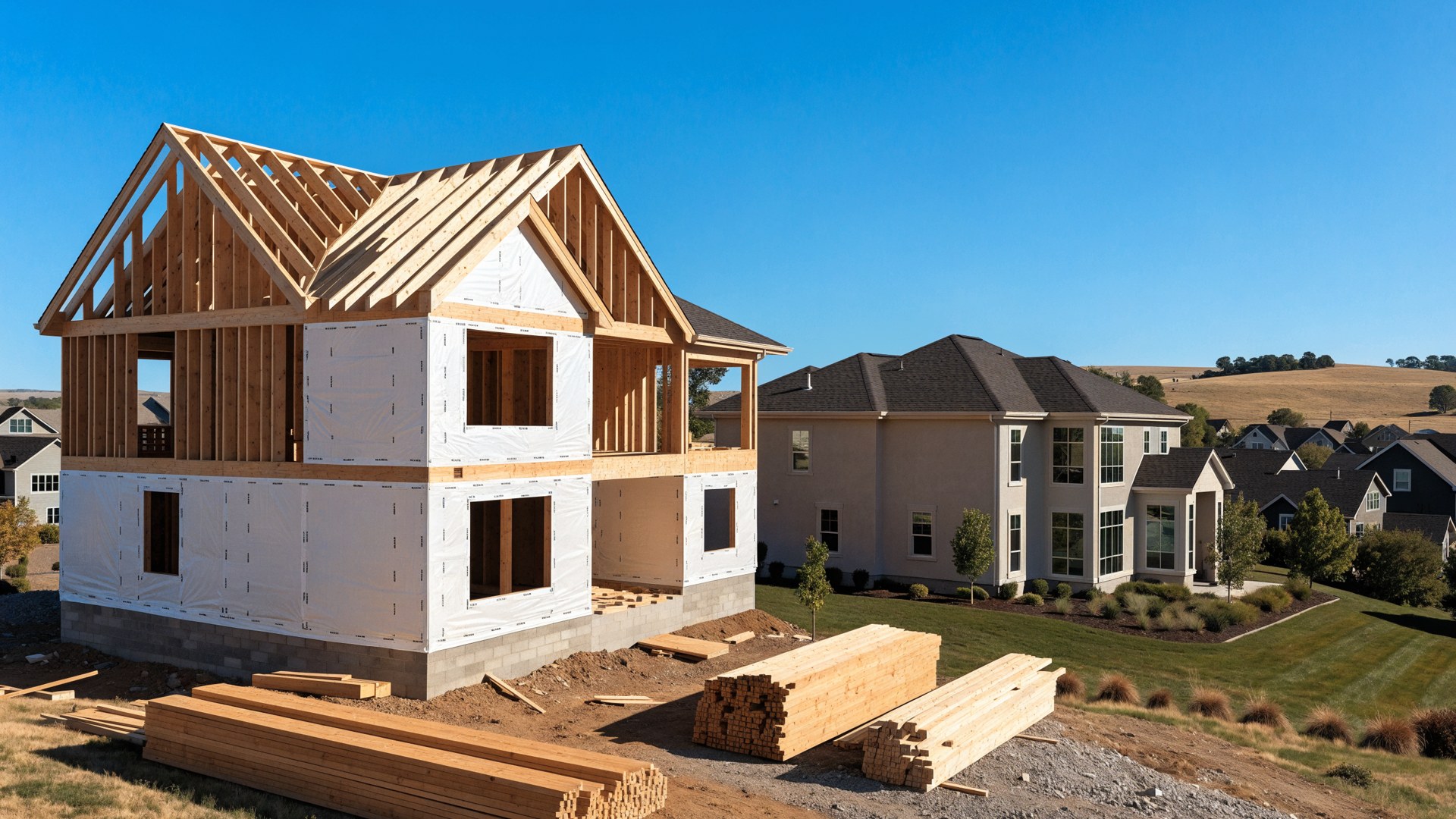
Independent inspections give you a separate assessment of construction and a written record of concerns to discuss with the builder. Ask about a pre-drywall inspection before finishes conceal parts of the work, and a final inspection near completion. Confirm access, scheduling and the contract's process for addressing findings before construction reaches those stages.
A builder walkthrough is not the same as an independent inspection. Ask who selects the inspector, how findings are delivered and what happens if an item remains unresolved. Do not assume a warranty means every issue can wait until after possession without consequence.
Construction schedules can move, so make inspection coordination part of the plan early. Your inspector should explain the scope and limitations of each visit. Keep reports, builder responses and follow-up notes together so a verbal acknowledgment does not become the only record of a concern.
Which lot premiums and upgrades deserve a closer look?
Evaluate lot premiums and upgrades against daily usefulness and comparable homes, not the model's presentation. A functional layout and durable, practical finishes are reasonable priorities, but no option guarantees resale value. Separate structural choices from cosmetic preferences, and ask what the premium buys you on this specific lot before selecting it.
Walk the lot when possible. Check neighboring homes, planned surroundings and how the outdoor space works for your needs. Ask what is included and what remains your responsibility after closing. A finished model may contain selections that are not part of the home you are pricing.
If your location is still open, my Brighton and Thornton comparison and relocation suburb guide can help narrow the area first. Choosing a useful upgrade will not solve a commute or neighborhood mismatch.
New construction buyer checklist: what should happen before closing?
Use a written checklist to connect the first visit, contract, financing and inspections instead of treating them as unrelated decisions. Confirm who owns each task and when it must happen. Keep unresolved items visible through the final walkthrough so the excitement of a nearly finished home does not replace careful follow-through.
- First visit: confirm the builder's agent-registration policy and your representation terms before entering the model or submitting an inquiry.
- Contract: have the builder agreement reviewed and identify deposit rules, completion provisions and deadlines.
- Lender: compare written financing terms and confirm every condition attached to an incentive.
- Inspections: arrange independent pre-drywall and final visits, subject to access and the builder's schedule.
- Walkthrough: record concerns, review responses and confirm how unfinished items are handled under your documents.
- Closing and possession: verify timing, included selections and the records you need for follow-up.
How should you handle the final walkthrough and next step?
Treat the final walkthrough as a documented review of the home and outstanding items, not just a ceremonial handoff. Bring the inspection record and selections list, ask how concerns will be resolved and confirm possession arrangements. Review any remaining disagreement through the contract process before assuming it can be handled informally after closing.
If you are considering a model-home visit, start with my new construction buyer services, then contact me with the builder, community and any visits you have already made. We can clarify registration and build a review plan before the next commitment.
About the author
Maddie Cowger is a bilingual (English + Spanish) Realtor with eXp Realty serving the Denver and Boulder metro. SRES- and SFR-certified, with a marketing background that predates her real estate career. Read her story or book a no-pressure call.